Superyacht Crew CV Guide: How to Get Hired on Luxury Yachts
How to get hired on luxury yachts: STCW requirements, ENG1 certification, professional CV format, and how verified credentials stand out to captains and crew agencies.
Published 25 Jan 2026 · 49 views
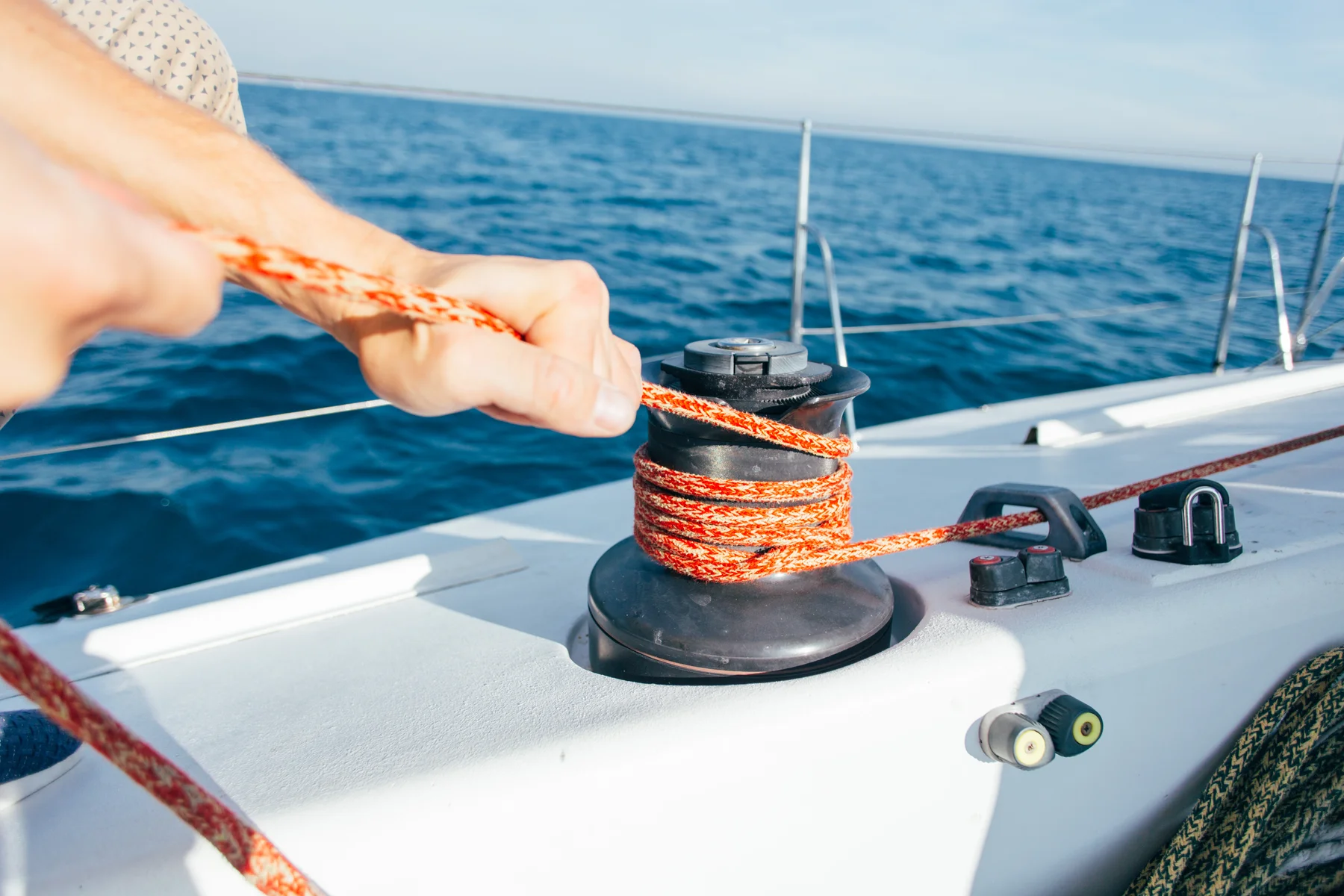
Superyachts (30m+ luxury vessels) are the pinnacle of professional sailing careers. Positions pay £25,000-60,000 annually, include travel to Mediterranean hotspots and Caribbean islands, and offer all-expenses-paid living aboard vessels worth tens of millions of pounds.
But getting hired is brutally competitive. A single deckhand position advertised through crew agencies receives 300+ applications within 48 hours. Captains and chief officers scan CVs for seconds before moving to the next candidate.
Your superyacht crew CV must stand out immediately, demonstrating STCW qualifications, ENG1 medical fitness, hospitality skills, and professionalism, or it goes straight to the reject pile.
This guide breaks down exactly how to structure a superyacht CV, what qualifications matter most, and how to position yourself for entry roles (deckhand, steward/ess) or advanced positions (bosun, chief stew, mate).
Superyacht Industry Hiring Requirements
Before building your CV, understand what superyacht hiring managers actually want:
STCW Certification (Non-Negotiable)
What it is: Standards of Training, Certification and Watchkeeping for Seafarers: international maritime certification required for all commercial vessel crew.
Required STCW modules for entry positions:
- STCW Basic Safety Training (5 days): Fire prevention/firefighting, elementary first aid, personal survival techniques, personal safety/social responsibilities
- ENG1 Medical Fitness Certificate (MCA-approved medical)
- STCW Security Awareness (1 day, sometimes included in Basic Safety)
Why non-negotiable: Flag state regulations (Cayman Islands, Malta, Marshall Islands) mandate STCW for commercial yachts 24m+. No STCW = insurance liability. Captains won't even consider your CV without it.
Cost: £800-1,200 for STCW Basic Safety Training course
Validity: STCW certificates expire every 5 years (require renewal)
ENG1 Medical Certificate (Commercial Fitness)
What it is: MCA-approved medical certificate proving fitness for seafaring duties.
Medical examination includes:
- Vision/hearing tests
- Cardiovascular fitness
- Drug/alcohol screening
- Mobility and strength assessment
Why required: Maritime law requires crew medical fitness. Charter and private yacht insurance policies mandate valid ENG1 for all crew members.
Cost: £80-120
Validity: 2 years (1 year if over 60)
Hospitality Experience (Essential for Interior Roles)
Superyachts are floating luxury hotels. Interior crew (stewards/stewardesses) serve ultra-high-net-worth guests expecting 5-star+ service.
Valued hospitality backgrounds:
- 5-star hotels (Ritz, Four Seasons, Mandarin Oriental)
- Michelin-starred restaurants
- Private household service (butlers, household managers)
- Corporate events/event planning
- Fine dining wine service
Why it matters: Owners expect crew to anticipate needs, maintain discretion, and provide seamless service. Hospitality experience demonstrates these soft skills.
RYA Qualifications (Deck Crew Advantage)
While not mandatory for entry deckhand roles, RYA qualifications signal competence to captains:
Valuable RYA certs:
- Day Skipper/Coastal Skipper: Proves sailing foundation
- Yachtmaster Coastal/Offshore: Immediate advantage for deck roles (may start as deckhand but promote faster)
- Powerboat Level 2: Required for tender driving (ferrying guests ashore)
- VHF Radio (SRC/LRC): Communication systems operation
Career advantage: RYA Yachtmaster holders often progress deckhand → bosun → mate → captain within 5-8 years. Non-RYA deckhands remain entry-level longer.
Language Skills (Mediterranean Advantage)
High-value languages for Med season (May-October):
- French (Côte d'Azur, Monaco)
- Italian (Amalfi, Sardinia)
- Spanish (Balearics, Costa del Sol)
- Russian (ultra-high-net-worth guest demographic)
Career impact: Multilingual crew can negotiate £3,000-5,000 higher annual salary. Chief stews and purser roles strongly prefer French/Italian speakers.
Clean Background (DBS Check)
Superyacht owners expect impeccable crew backgrounds:
Required:
- Enhanced DBS check (Disclosure and Barring Service)
- Clean criminal record
- Professional references (minimum 2, ideally from yachting or luxury hospitality)
Disqualifying factors:
- Theft/fraud convictions (even spent convictions may disqualify)
- Violence or substance abuse history
- Dishonesty on CV or application (instant dismissal if discovered)
Why Verified Credentials Stand Out
Captains receive hundreds of CVs claiming STCW/ENG1 but can't verify quickly. Crew the Boat's verification system means your credentials display verification badges: captains shortlist verified CVs first, reducing their vetting time from hours to minutes.

Discover Crew the Boat
Build a CV that gets you on luxury yachts. Verified credentials, real experience.
Superyacht CV Structure and Format
Superyacht CVs follow industry conventions; deviating from this format signals unfamiliarity with yachting:
Professional Photo (Top of CV)
Requirements:
- Professional headshot (shoulders up)
- Neutral background (white, grey, or marine blue)
- Smart casual attire (polo shirt, blouse, not formal suit or t-shirt)
- Smiling, approachable expression
- High resolution (300 DPI minimum)
Why photo matters: Captains assess cultural fit and guest-facing presentation. Superyacht industry is appearance-focused (fair or not).
Pro tip: Invest £50-100 in professional headshot photography. First impression matters.
Personal Details Section
Include:
- Full name
- Date of birth (age matters, typically 20-45 for entry roles)
- Nationality (affects visa requirements)
- Phone number (mobile with international dialling code)
- Email address (professional, not partygirl123@hotmail.com)
- Current location
- Availability date
Omit:
- Home address (unnecessary, you'll live aboard)
- Marital status (irrelevant for most positions)
- National Insurance number (provide after hiring)
Certifications Section (Highest Priority)
List all maritime certifications with certificate numbers and expiry dates:
``` STCW Basic Safety Training Certificate Number: UK123456 Issue Date: January 2024 Expiry Date: January 2029 ```
Why certificate numbers matter: Captains verify certifications through issuing bodies. Providing numbers upfront demonstrates transparency.
Pro tip: List certifications in priority order (STCW first, then ENG1, then RYA/additional training).
Professional Experience Section
Reverse chronological order (most recent first):
``` Deckhand | M/Y [Yacht Name] | 45m Motor Yacht | May 2023 - Present
- Maintain deck cleanliness and teak care (daily scrubbing, varnishing)
- Operate tenders and water sports equipment (RIB, jet skis, paddleboards)
- Assist with mooring operations and anchor watch
- Crew of 8 (Captain, Chief Officer, 2 Deckhands, Chief Stew, 2 Stews, Chef)
```
Key details to include:
- Yacht name (if owner permits, some prefer discretion, use "M/Y Private" if unsure)
- Yacht size (metres) and type (motor/sail)
- Duration (month/year format)
- Crew size and structure
- Specific duties with action verbs
Skills Section
Deck crew relevant skills:
- Tender driving (RIB operation, guest transfers)
- Water sports instruction (jet skis, paddleboards, diving support)
- Teak maintenance and varnishing
- Line handling and mooring operations
- Navigation systems (chartplotters, radar, AIS)
- Mechanical aptitude (basic engine maintenance)
Interior crew relevant skills:
- Fine dining service (silver service, table settings)
- Wine knowledge (WSET certification if held)
- Laundry and garment care (delicate fabrics, pressing)
- Housekeeping (luxury standards, attention to detail)
- Event planning and coordination
- Floral arrangement (surprisingly valued on superyachts)
Universal valuable skills:
- Languages (list all with proficiency: native, fluent, conversational, basic)
- Computer literacy (Microsoft Office, crew management systems)
- Photography/videography (capturing guest experiences)
- Fitness/yoga instruction (crew wellness or guest activities)
Personal Interests (Optional but Valuable)
Include interests that demonstrate:
- Fitness and outdoor activity (sailing, diving, skiing, running)
- Cultural sophistication (art, theatre, fine dining)
- Team sports (shows collaborative nature)
- Languages and travel
Why it matters: Superyacht life is confined quarters with small crew. Captains hire personalities that fit crew dynamics.
Join Crew the Boat
Build a CV that gets you on luxury yachts. Verified credentials, real experience.
How to Make Your Superyacht CV Stand Out
With hundreds of applicants per position, what differentiates your CV?
1. Verified Credentials
Problem: Captains receive CVs claiming STCW/ENG1 but can't verify quickly.
Solution: Use verified CV platform (Crew the Boat) where certifications display verification badges.
Impact: Captains shortlist verified CVs first (reduces vetting time from hours to minutes).
2. Current Certifications
Problem: Many CVs list expired ENG1 or STCW certifications.
Solution: Always check expiry dates before applying. Renew STCW 6 months before expiry, ENG1 2 months before.
Impact: Expired certs signal lack of professionalism. Current certs show you're hire-ready.
3. Specific Yacht Experience Details
Problem: Generic CVs list "yacht crew" without details.
Solution: Include yacht size, type (motor/sail), crew structure, season worked, cruising grounds.
Impact: Captains assess if your experience matches their vessel type and operational style.
4. Guest-Facing Service Orientation
Problem: Deck-focused CVs ignore guest service aspect.
Solution: Emphasise guest interaction: "Coordinated guest water sports activities," "Managed tender operations for guest shore transfers," "Maintained deck cleanliness to owner's exacting standards."
Impact: Superyachts prioritise guest experience. Service-oriented language resonates with captains.
5. Professional Formatting
Problem: Cluttered, multi-page CVs with inconsistent formatting.
Solution: Keep CV to 2 pages maximum. Use clean fonts (Arial, Calibri), consistent spacing, clear section headers.
Impact: Captains scan CVs in seconds. Clean formatting allows quick assessment.
6. Tailored Cover Letter
Problem: Generic "I want to work on superyachts" cover letters.
Solution: Reference specific yacht (if known), explain why you fit (boat size, Med vs Caribbean, crew size), and demonstrate knowledge of yacht operations.
Impact: Tailored applications signal genuine interest vs bulk applications to 50 yachts.
Common Superyacht CV Mistakes to Avoid
Inflated or False Experience
Mistake: Claiming Yachtmaster when you hold Day Skipper, or listing yachts you never worked on.
Why it fails: Yachting industry is small. Captains know each other, verify references, and contact previous employers. Dishonesty = instant blacklist.
Fix: Be honest about experience level. "Seeking entry deckhand position to build professional yachting career" is better than fake credentials.
Expired Certifications
Mistake: Listing STCW or ENG1 that expired months/years ago.
Why it fails: Captains assume you're not serious about yachting if you let critical certs lapse.
Fix: Renew before expiry. If recently expired, acknowledge it: "STCW expired October 2024, renewal course booked January 2025."
Overly Casual Tone
Mistake: Using informal language, slang, or unprofessional email addresses.
Why it fails: Superyacht industry values professionalism. "Yo, I'm keen to work on boats" won't get hired.
Fix: Professional tone throughout. "I am writing to express interest in the deckhand position advertised through [Agency Name]."
Too Long or Too Short
Mistake: 5-page CV listing every job since age 16, or 1-paragraph CV with no details.
Why it fails: Too long = captain won't read. Too short = no evidence of competence.
Fix: 2 pages ideal. 1 page acceptable for entry-level with limited experience.
No Contact Information
Mistake: Forgetting phone number, providing email that never checks.
Why it fails: Captains need to contact quickly for last-minute positions. Missed calls = missed opportunities.
Fix: Mobile with international code, professional email checked daily.
:hero-building-office-2: Superyacht Crew Agencies and Job Platforms
Where to submit your polished superyacht CV:
Established Crew Agencies
Top agencies:
- YPI CREW (Antibes, France, Med focus)
- Crew Unlimited (Fort Lauderdale, USA, Caribbean/US focus)
- Quay Crew (Palma, Mallorca, Med)
- Bluewater (Global, large yacht focus 50m+)
How agencies work:
- Submit CV and certifications through website
- Agencies interview candidates (video call or in-person)
- Approved candidates enter agency database
- Captains request CVs from agencies when hiring
Pros: Established relationships with yachts, higher-quality positions
Cons: Competitive to be accepted by agencies, may require being physically present in Med/Caribbean hubs (Antibes, Fort Lauderdale, Palma)
Online Job Platforms
Major platforms:
- Crew Network (jobs board + networking)
- YotHire (positions and day work)
- Dockwalk (industry publication with jobs section)
- Crew the Boat (UK-focused with verified credentials)
Pros: Accessible globally, immediate application
Cons: High volume competition, some fake listings
Day Work (Stepping Stone to Permanent Positions)
What is day work: Temporary positions (1 day to 2 weeks) covering crew leave, boat shows, or seasonal peaks.
Why it matters:
- Builds superyacht experience for CV
- Networking (day work often leads to permanent crew offers)
- Income while searching for full-time role (£80-120/day typical)
Building Your Verified Superyacht CV
Traditional superyacht CV submission is time-consuming:
- Email CV + certifications to 20+ agencies
- Agencies request scanned STCW, ENG1, references
- Repeat for every captain/job application
- No way to verify credentials quickly
How Crew the Boat Streamlines Superyacht Applications
Verified profile approach:
- Upload certifications once: STCW Basic Safety Training, ENG1 medical certificate, RYA qualifications, Powerboat, VHF, additional certs
- Request verification: We verify documents and contact issuing bodies. Verification badges appear on profile. Captains see verified credentials instantly.
- Apply to superyacht positions: Share Crew the Boat profile URL. Export verified CV PDF with certification badges. No repeated document scanning/emailing.
Benefits:
- Faster applications: 5 minutes vs 30 minutes per yacht
- Higher credibility: Verified credentials stand out vs unverified CVs
- Agency acceptance: Verified profiles fast-track agency approval
Start Building Your Superyacht CV Today
Whether you're transitioning from hospitality to yachting, leveraging RYA qualifications for deck crew roles, or upgrading from charter yachts to superyachts, a polished CV opens doors.
Get STCW qualified: Search STCW Basic Safety Training courses through RYA or specialist yachting schools (UKSA, Clipper Training)
Create verified superyacht CV: Join Crew the Boat and upload certifications for verification
Research agencies: Visit crew agency websites and understand their requirements before applying
Network in yachting hubs: If possible, visit Antibes (May-Sept), Fort Lauderdale (Nov-Feb), or Palma (Apr-Oct) to dockwalk and attend crew events
Ready to Build Your Verified Superyacht CV?
Create your free profile on Crew the Boat and start building your verified superyacht CV. Upload STCW and ENG1 certifications, document yacht experience, and stand out to captains and agencies with verified credentials.
Related Guides
- Professional Sailing CV Guide — Complete guide to maritime CVs
Join Crew the Boat
Build a CV that gets you on luxury yachts. Verified credentials, real experience.