How to Find Crew Positions Without Experience
Beginner's guide to getting on boats: Learn where boat owners seek inexperienced crew, how to position yourself as valuable help, and the exact steps beginners use to start sailing: no qualifications required.
Published 25 Jan 2026 · 77 views
You've never sailed before, but you're captivated by the idea. You watch sailing videos on YouTube, dream of coastal cruises and Mediterranean passages, and imagine yourself part of a crew crossing the English Channel. But when you search for crew positions, everything requires "RYA Day Skipper minimum" or "2 years sailing experience."
How do you get sailing experience when you need experience to get on a boat?
The good news: thousands of boat owners need crew and welcome complete beginners. You won't start on superyachts or charter boats, but you can absolutely find crew positions without any qualifications or experience, if you know where to look and how to position yourself.
This guide shows exactly how beginners break into sailing, where to find entry-level crew opportunities, and what boat owners actually want from inexperienced crew.
Why Boat Owners Accept Inexperienced Crew
First, understand that many boat owners prefer willing beginners over reluctant "experienced" crew:
Reason 1: Free Labour for Routine Tasks
Sailing involves tedious work: cleaning, maintenance, line handling, provisioning, cooking. Boat owners are happy to trade sailing experience for helping hands.
What inexperienced crew offer:
- Extra hands for line handling (mooring, docking)
- Deck washing and boat cleaning
- Galley assistance (meal prep, washing up)
- Watch-keeping (keeping lookout during passages)
- Physical labour (hauling sails, grinding winches)
Key Insight
What beginners lack in skill, they compensate with enthusiasm and willingness to help.
Reason 2: Teaching Opportunity
Many experienced sailors enjoy teaching. Sharing sailing knowledge with eager learners is rewarding, and teaching reinforces their own understanding.
Boat owners teaching beginners often:
- Explain navigation and sail trim
- Demonstrate knots and line work
- Build confidence in helming and watchkeeping
- Create loyal crew who return for future sails
Key Insight
Inexperienced but teachable crew become regular sailing partners.
Reason 3: Social Company
Sailing is more enjoyable with crew. Solo sailing is exhausting on long passages, and having crew (even inexperienced) provides:
- Conversation and companionship
- Shared meals and experiences
- Safety backup (if owner is injured/ill, crew can radio for help)
- Shared costs (fuel, mooring fees, provisioning)
Key Insight
Many boat owners sail primarily for social experience: your company has value even without skills.
Reason 4: Crew Shortages
Boat owners frequently need crew last-minute:
- Regular crew cancels 48 hours before weekend cruise
- Offshore passage requires 3-person watch rotation (owner + 2 crew)
- Racing requires 6-8 crew but owner has only 3 confirmed
Key Insight
Beginner crew willing to commit on short notice are valuable.
Where to Find Crew Positions as a Complete Beginner
Option 1: Join a Yacht Club (Best Long-Term Strategy)
Why yacht clubs are ideal for beginners:
Yacht clubs exist to promote sailing. They welcome new members, offer training, and organise regular sailing activities where beginners crew on members' boats.
Typical yacht club structure:
- Social membership (£100-300/year): Access to club bar, events, racing crew opportunities
- Full membership (£300-800/year): Voting rights, reduced mooring fees, priority for training courses
- Junior membership (under-25 discounts): £50-150/year
How to find crew opportunities through clubs:
- Attend club night (usually Wednesday/Thursday evenings)
- Introduce yourself to members - Express interest in crewing - Ask about upcoming races or cruising rallies
- Sign up for crew register
- Most clubs maintain crew list (members seeking crew contact registered crew) - Provide contact details, availability, fitness level
- Volunteer for race crew
- Weekend racing (Saturdays/Sundays) - Racing crews always need extra hands (grinding winches, trimming sails, foredeck work) - No sailing experience required for many positions (owner teaches on the job)
- Join club training courses
- RYA Start Yachting (2 days, £150-250): Perfect beginner introduction - Competent Crew (5 days, £400-600): Structured learning for new crew - Club racing coaching (often free for members)
Pro tip: Smaller yacht clubs (30-50 boats) are more welcoming to beginners than large prestigious clubs. Village yacht clubs and estuary clubs actively recruit new members and frequently need crew.
Option 2: Weekend Racing Crew (Immediate Opportunity)
What is race crew:
Weekend yacht racing (club racing, regattas, coastal series) requires 5-12 crew depending on boat size. Owners struggle to fill positions and welcome beginners for:
- Grinder: Operate winches (physically demanding, no sailing knowledge required)
- Tailer: Manage lines after grinders wind winches (learn-on-the-job role)
- Foredeck: Handle headsails during tacks/gybes (active role, training provided)
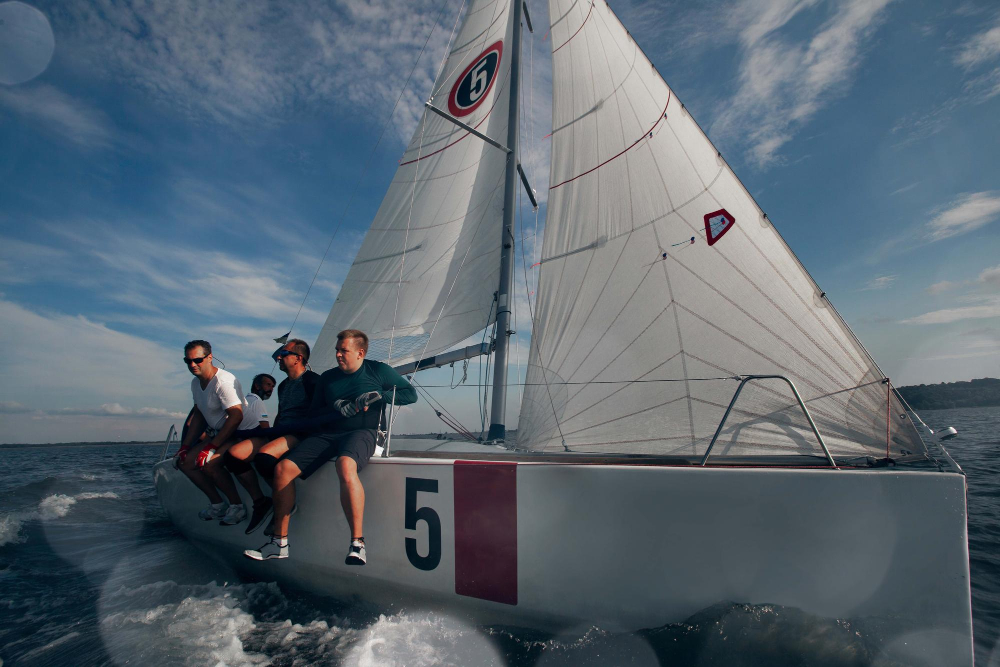
- Rail meat: Provide hiking weight on windward rail (literally sit on boat edge, zero experience needed)
What to expect:
- Early mornings (racing briefings 0900-1000h)
- Physical work (grinding winches, hiking out)
- Learning curve (lots to absorb, but no pressure for beginners)
- Social atmosphere (post-race pub gatherings, crew camaraderie)
Time commitment: Typically 4-6 hours on race days (prep, racing, post-race socialising)
Cost: Usually free, sometimes contributing £5-10 for fuel/bar kitty
Option 3: Sailing Schools and Training Centres
How sailing schools use beginner crew:
RYA sailing schools run courses year-round (Day Skipper, Coastal Skipper, Yachtmaster). They need assistant crew for:
- Boat prep and maintenance (cleaning, provisioning, pre-course checks)
- Assistant instructor roles (once you've completed competent crew)
- Mile-building crew (instructors repositioning boats between bases)
How to approach sailing schools:
- Complete RYA Competent Crew course (5 days, £400-600)
- Provides foundation sailing knowledge - Schools track good students for future opportunities
- Ask about crew opportunities:
- "Do you need crew for boat positioning?" - "Can I volunteer for maintenance in exchange for sailing time?"
- Offer flexible availability:
- Schools need crew mid-week (when most people work) - Offer Tuesday/Wednesday availability = higher chance
Option 4: Friends and Family with Boats
Don't overlook obvious connections:
You likely know someone who owns a boat or knows someone who does. Sailors love introducing people to sailing.
How to ask:
- Direct approach: "I'm interested in learning to sail. Would you be willing to take me out sometime? Happy to help with boat maintenance or provisioning."
- Offer value: "I noticed you mentioned needing crew last weekend. I'm available and keen to learn, no experience but willing to work."
- Start small: "I'd love to see your boat sometime. Could I help with some cleaning or maintenance?"
Key Insight
Most sailors are thrilled when someone shows genuine interest. What feels like a huge ask to you is often an enjoyable teaching opportunity for boat owners.
Option 5: Delivery Crew (Offshore Experience for Beginners)
What is yacht delivery:
Moving yachts between locations (summer season UK → Med, post-season Med → Caribbean, boat sales repositioning). Owners often need crew and accept beginners for:
- Watch-keeping: 3-hour watch rotations on offshore passages
- Deck work: Line handling, sail changes
- General crew: Cooking, cleaning, safety lookout
What delivery crew involves:
- Longer passages (1-3 weeks typical)
- Offshore experience (out of sight of land)
- Watch rotation (3 hours on, 6 hours off, 24-hour cycles)
- Shared costs (fuel, provisioning, marina fees)
Cost contribution expected: £20-30/day typical (covers food, fuel share, marina fees)
Best for: Beginners seeking intensive learning experience and willing to commit 1-3 weeks
Option 6: Crew Wanted Listings (Online Platforms)
Where boat owners post crew needs:
- Crew the Boat: UK-focused, filters for experience level, location-based matching
- FindACrew: Global platform, mix of experienced and beginner opportunities
- Crewseekers: Agency-style crew matching (paid listings)
- Facebook groups: "Sailing Crew UK," "Crew Wanted Sailing," regional groups
How to use platforms effectively:
- Create complete profile:
- Profile photo (smiling, approachable) - Honest experience statement: "Complete beginner, enthusiastic to learn, physically fit" - Availability (weekends, weekdays, specific dates) - Location (search radius)
- Apply to beginner-friendly positions:
- Filter for "no experience required" or "beginners welcome" - Target short coastal sails (weekend cruises, day sails) - Avoid positions requiring qualifications (RYA Day Skipper, Yachtmaster)
Conversion rate reality: Expect 1 positive response per 10 applications as complete beginner. Improves dramatically after first few sails (then you have references).

Discover Crew the Boat
Create your profile. Start connecting with skippers who need crew.
What to Say When You Have Zero Experience
The Honesty Approach Works Best
"I'm completely new to sailing but genuinely interested in learning. I'm physically fit, reliable, and happy to help with any tasks: cleaning, provisioning, line handling, whatever you need. I understand I'll be learning and won't be contributing skilled crew work yet."
What boat owners appreciate:
- Honesty: Don't claim experience you lack (boat owners can tell immediately)
- Enthusiasm: "I'm keen to learn" beats "I suppose I'll try sailing"
- Reliability: "I'll be there 0900h sharp Saturday" shows commitment
- Willingness: "Happy to do any tasks needed" signals you understand entry-level role
What to avoid:
- "I don't know anything but I'm sure I'll pick it up" (arrogant)
- "I've watched lots of sailing videos" (watching ≠ doing)
- "I get seasick easily" (mention after invited, not in first message)
Join Crew the Boat
Create your profile. Start connecting with skippers who need crew.
Making Yourself Valuable as Inexperienced Crew
You can't contribute sailing skills yet, but you can offer other value:
Offer 1: Enthusiastic Labour
- Arrive early, leave late
- Volunteer for tedious tasks (boat washing, line coiling, galley duty)
- Ask "What can I do to help?" repeatedly
Offer 2: Reliability
- Confirm attendance 24-48 hours before sail
- Arrive on time (ideally 15 minutes early)
- If you must cancel, give maximum notice
Offer 3: Good Attitude
- Stay positive in challenging conditions (cold, wet, seasick)
- Follow instructions without debating
- Ask questions but accept "I'll explain later" when owner is busy
Offer 4: Cost Sharing
- Offer to contribute fuel/provisioning costs (£10-20 typical for day sail)
- Bring lunch/snacks to share
- Offer to buy post-sail round at pub
Offer 5: Self-Sufficiency
- Bring appropriate clothing (waterproofs, layers, non-slip footwear)
- Pack lunch/water (don't expect boat owner to feed you)
- Bring seasickness tablets (even if you think you don't need them)
Key Insight
Boat owners remember crew who make their life easier, not harder.
Building Experience and Progressing
Your first few sails are about learning basics and proving reliability. Then progression accelerates:
Stage 1: Complete Beginner (Sails 1-5)
Focus:
- Learn boat terminology (bow, stern, port, starboard, sheets, halyards)
- Basic line handling (cleating, coiling)
- Helming in calm conditions
- Understanding sail trim basics
Positions: Rail meat, grinder, galley assistant, general deckhand
Stage 2: Competent Crew (Sails 5-20)
Focus:
- Helming to course
- Trimming headsails
- Tacking and gybing
- Basic navigation awareness
Positions: Helm, headsail trimmer, foredeck crew, watch-keeper
Consider: RYA Competent Crew course (£400-600, 5 days) to formalise learning
Stage 3: Progressing to Skipper (Sails 20-50)
Focus:
- Passage planning
- Navigation
- Boat handling (mooring, anchoring)
- Crew management
Positions: Watch captain, assistant skipper, delivery crew
Consider: RYA Day Skipper course (£600-800, 5 days) to build skipper skills
Timeline: Beginner to Day Skipper
- Active sailing (monthly): 12-18 months
- Weekend sailor (weekly club racing): 6-12 months
- Intensive (delivery crew, sailing courses): 3-6 months
Start Finding Crew Positions Today
You don't need experience to start sailing; you need initiative and enthusiasm. Boat owners across the UK are searching for reliable, willing crew right now.
Find local crew opportunities:
- Join Crew the Boat and create beginner-friendly profile
- Search yacht clubs in your area and attend club night
- Join sailing Facebook groups for your region
- Contact RYA sailing schools and ask about crew opportunities
Start logging your sailing:
Even as a beginner, log every passage. When you've completed 10-20 sails, you're no longer "no experience"; you're "building qualifying miles toward RYA Day Skipper."
Related Guides
- Professional Sailing CV Guide - Building your sailing CV as you gain experience
- Build Your Sailing CV - Log passages and track progress from day one
Join Crew the Boat
Create your profile. Start connecting with skippers who need crew.